
By Emily Herr
The Scoop Digital Newspaper: June 2025
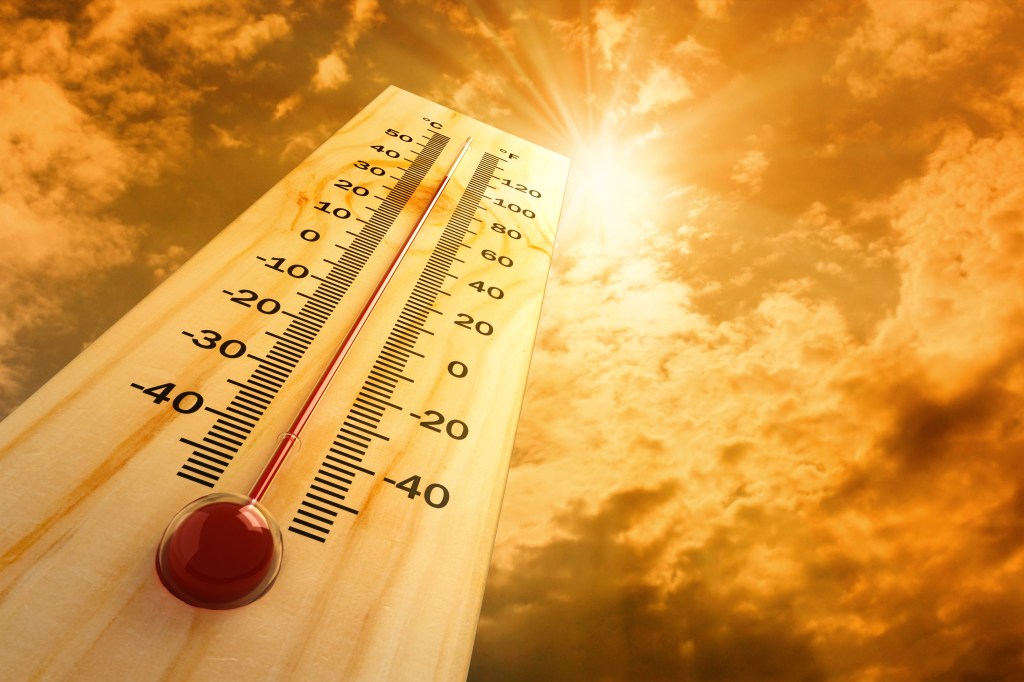
As summer temperatures rise, ensuring the well-being of your feathered friends becomes paramount. Chickens, ducks, guineas, geese, turkeys, and quail are all susceptible to heat stress, as they lack efficient sweating mechanisms and have naturally high body temperatures. This article will provide crucial strategies to keep your flock comfortable, healthy, and productive during the scorching summer months.
Universal Cooling Strategies for All Fowl
Regardless of the specific species of fowl you keep, several fundamental practices apply to all:
- Abundant, Fresh, Cool Water: This is the single most critical factor. Fowl drink significantly more in hot weather. Provide multiple waterers to prevent competition and ensure constant, easy access for all birds. Clean waterers daily, as dirty water is unappealing and can harbor bacteria. Consider adding ice cubes to waterers throughout the day to keep the water cool, or even using larger, insulated containers.
- Ample Shade: Direct sunlight is a major contributor to heat stress. Ensure your coops, runs, and free-range areas offer plenty of shade throughout the entire day. Natural shade from trees is ideal, but you can also provide artificial shade with tarps, shade cloths, or purpose-built shelters. Position these so that shade is available during peak sun hours.
- Good Ventilation and Airflow: Stagnant, hot air is a recipe for disaster in poultry housing. Coops must have excellent cross-ventilation. Open all vents and windows, even adding small fans if possible to circulate air, especially on still, humid days. Good airflow helps remove trapped heat and humidity.
- Adjust Feeding Times: Digestion generates internal body heat. To minimize this, feed your fowl during the cooler parts of the day, such as early morning or late evening. Consider offering lighter, more easily digestible feeds, and avoid high protein treats which can increase metabolic heat.
- Monitor for Signs of Heat Stress: Be vigilant for any indicators that your birds are overheating. While specific signs can vary slightly by species, common symptoms include lethargy, increased respiration (panting or rapid, open-mouth breathing), wings held away from the body, seeking shade, and reduced appetite or egg production. If you suspect severe heat stress, isolate the bird in a cool, dark place and offer cool water with electrolytes.
Species-Specific Cooling Strategies
While the universal tips apply to all, certain fowl have unique needs or tolerances.
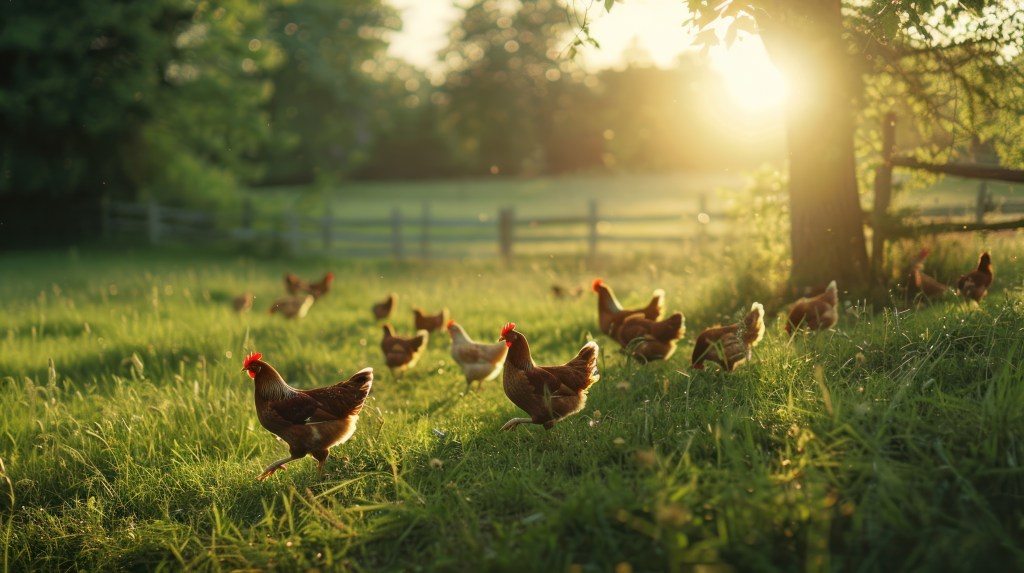
Chickens & Roosters
Chickens are particularly sensitive to heat due to their high body temperature (around 105−106∘F) and reliance on panting.
- Ice Water and Electrolytes: Always have clean, cool water available. Adding electrolytes to their water can help replenish minerals lost through panting and stress.
- Frozen Treats: Offer frozen corn, watermelon, berries, or even ice blocks with treats embedded. These provide hydration and a fun internal cooling method.
- Misting/Spritzing: A fine mist from a hose can help cool the air around them. Focus on misting the ground or lightly spritzing their combs and wattles. Avoid soaking their feathers unless there’s a good breeze for evaporation, as wet feathers in high humidity can hinder cooling.
- Cool Dust Baths: Provide shaded dust bath areas. You can even mix in a little cool, damp (not muddy) sand or dirt for a more refreshing wallow.
- Ventilation in Coops: Ensure your coop has excellent cross-ventilation. Consider using a small, safely mounted fan to keep air moving.
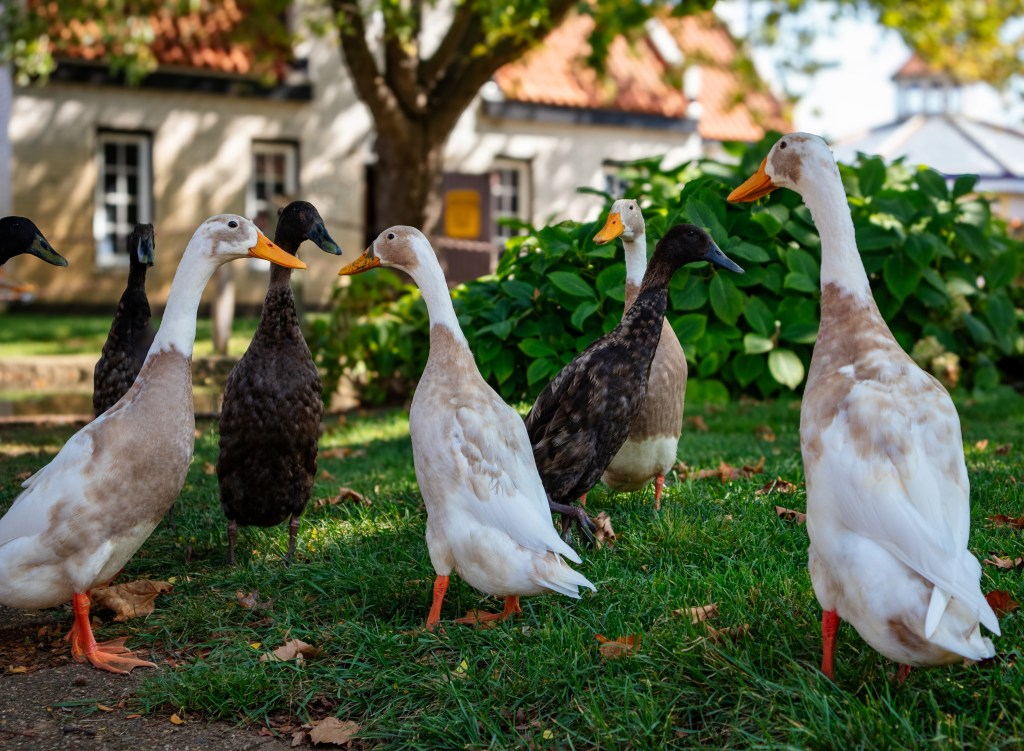
Ducks & Geese
Ducks and geese tolerate heat better than chickens, especially if they have access to water, but they still need help.
- Wading Pools/Ponds: This is crucial! Ducks and geese love water for cooling, preening, and playing. Provide large, shallow tubs, kiddie pools, or access to a clean pond. Ensure the water is regularly cleaned or refreshed.
- Shade Around Water: Place water sources in shaded areas to keep the water cool and provide a cool lounging spot nearby.
- Fresh Drinking Water: Beyond swimming water, ensure they have easily accessible, clean drinking water at all times.
- Signs of Heat Stress: While more heat-tolerant, watch for excessive panting, lethargy, droopy wings, or seeking extreme shade without entering water.
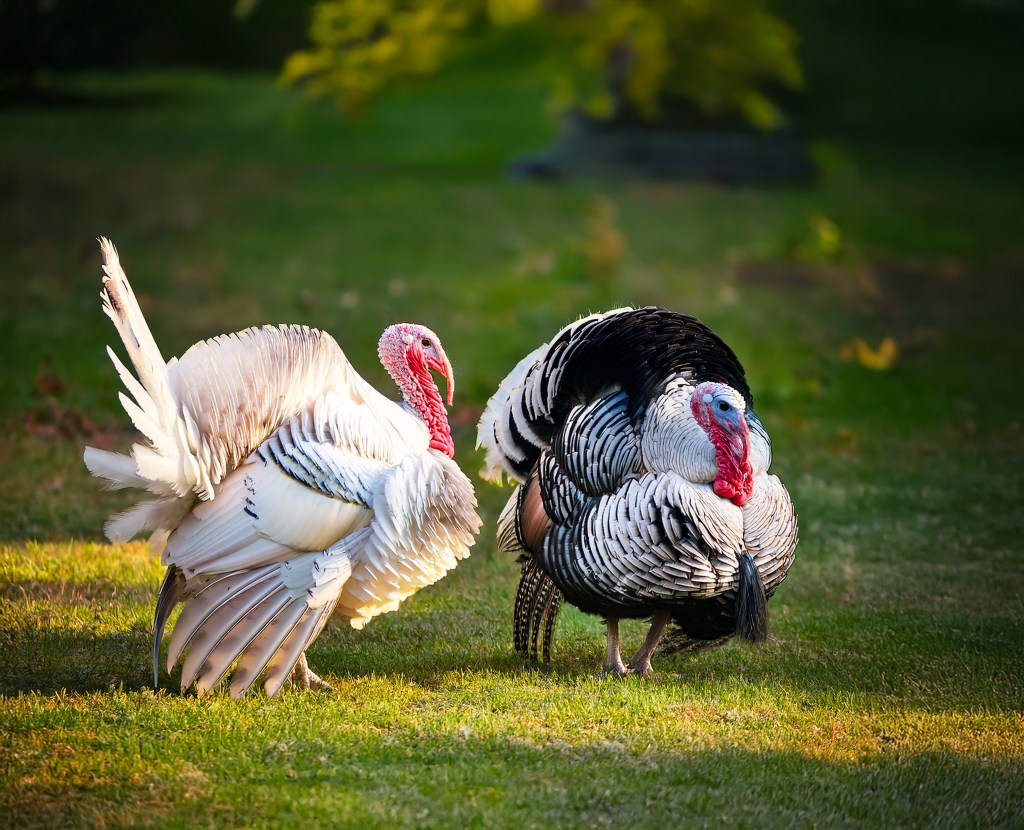
Guineas & Turkeys
Guineas and turkeys are generally more heat-hardy than chickens but still require heat management.
- Plenty of Roosting Space: Ensure ample roosting space in well-ventilated areas, as they often prefer to roost off the ground.
- Shade and Airflow: Large, shaded areas in their run or free-range are important. Good airflow through their shelters is essential.
- Constant Water Access: Like all fowl, fresh, cool water at all times is non-negotiable. Large drinkers are advisable for turkeys due to their size.
- Ground Cooling: Turkeys may lie on cool, damp ground or in shaded spots to dissipate heat.
Quail
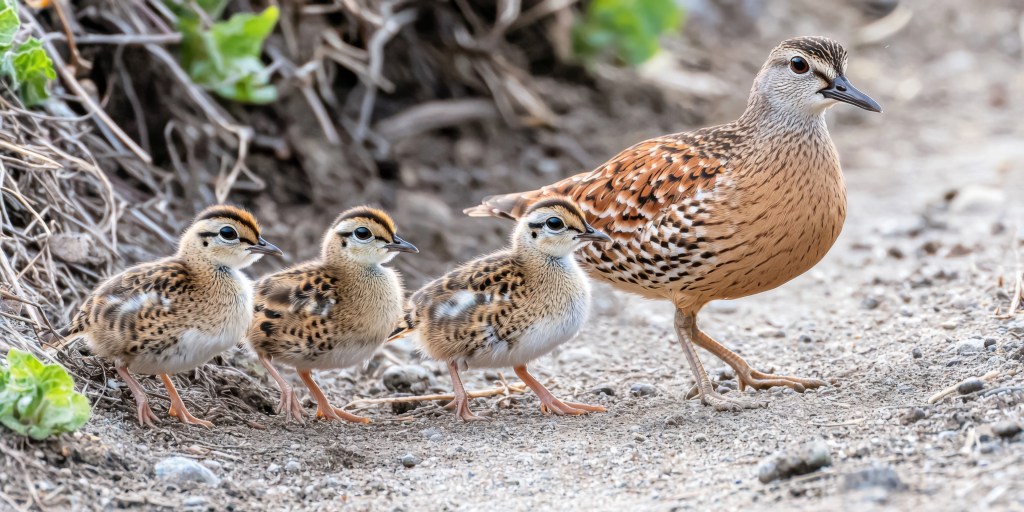
Quail are small but still vulnerable to heat, especially in enclosed coops or aviaries.
- Excellent Ventilation: Due to their small size and often confined spaces, superior ventilation is key. Ensure air can move freely through their enclosures.
- Shade within Enclosures: Provide small, shaded areas within their enclosures. This could be a piece of cardboard, a small shelter, or even dense foliage.
- Multiple Water Sources: Offer several small, shallow water dishes to ensure all birds can easily access water. Consider using chick waterers with smaller bases to prevent drowning. Add small marbles or pebbles to shallow dishes to give them something to stand on and prevent drowning.
- Mist Lightly: A very fine mist in the air around their enclosure, or even a damp (not soaking) cloth for them to lie on, can help.
- Signs of Heat Stress: Rapid breathing, open-mouth panting, lethargy, huddling in corners trying to stay cool.
By implementing these strategies, you can help your entire flock navigate the challenges of summer heat, ensuring their health, comfort, and continued productivity. Proactive planning and attentive care are key to protecting your beloved birds from the dangers of the sun.

The author would like to thank Sugar Feather Farm for providing the inspiration for this article.
Check out Sugar Feather Farm for all your fowl needs.
~~~~~~~~~~~~~~~~~~~~~~~~~~~~~~~~~~~~~~~~~~~~~
The Scoop Digital Newspaper
thescoop@writeme.com


Leave a comment