
By Emily Herr
The Scoop Digital Newspaper: March 2025
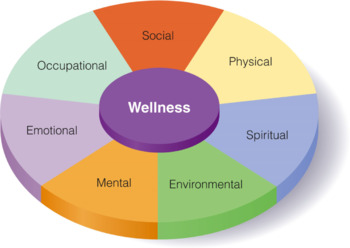
The 7 Pillars of Transformation represent a holistic framework for cultivating a balanced and fulfilling life. Each pillar addresses a crucial aspect of our well-being, working together to support lasting personal growth:
Physical:
This pillar emphasizes the importance of physical health and vitality. It encompasses nutrition, exercise, sleep, and overall bodily wellness, ensuring we have the energy and strength to thrive.
Emotional:
This pillar focuses on understanding and managing our emotions. It involves developing emotional intelligence, practicing self-compassion, and building resilience to navigate life’s challenges.
Social:
This pillar highlights the significance of meaningful connections and relationships. It encourages us to cultivate healthy social interactions, build supportive networks, and foster a sense of belonging.
Mental:
This pillar centers on cognitive well-being, including mental clarity, focus, and intellectual stimulation. It involves practices like mindfulness, learning, and critical thinking to enhance mental agility.
Environmental:
This pillar addresses our relationship with our surroundings. It emphasizes creating a supportive and harmonious environment, both personally and globally, and fostering a sense of connection with nature.
Occupational:
This pillar focuses on finding purpose and fulfillment in our work or chosen activities. It encourages us to align our passions with our pursuits, fostering a sense of contribution and satisfaction.
Spiritual:
This pillar explores our connection to something greater than ourselves. It encompasses personal values, beliefs, and practices that provide meaning, purpose, and a sense of inner peace.
By nurturing each of these pillars, we embark on a transformative journey towards a more balanced, fulfilling, and integrated life.
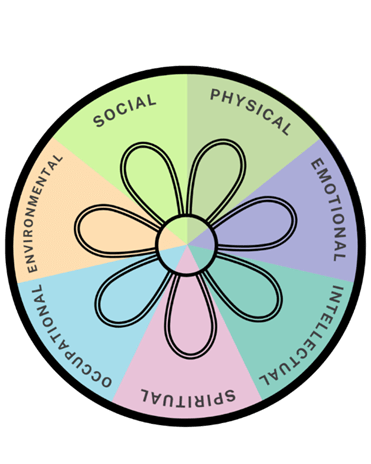
Let’s delve deeper into each of the 7 Pillars of Transformation (Physical, Emotional, Social, Mental, Environmental, Occupational, and Spiritual), exploring their nuances and practical applications:
1. Physical Pillar:
- Core Concept: This pillar is the foundation upon which the others rest. It’s about optimizing your physical body for vitality and resilience.
- Key Aspects:
- Nutrition: Fueling your body with whole, nutrient-dense foods.
- Exercise: Engaging in regular physical activity that you enjoy.
- Sleep: Prioritizing quality sleep for rest and recovery.
- Hydration: Staying adequately hydrated for optimal bodily function.
- Rest and Recovery: Allowing your body time to heal and regenerate.
- Practical Applications:
- Create a balanced meal plan.
- Find an exercise routine that fits your lifestyle.
- Establish a consistent sleep schedule.
- Drink plenty of water throughout the day.
- Incorporate relaxation techniques like stretching or yoga.
2. Emotional Pillar:
- Core Concept: This pillar involves cultivating emotional intelligence and resilience.
- Key Aspects:
- Self-Awareness: Recognizing and understanding your emotions.
- Emotional Regulation: Managing and responding to emotions in a healthy way.
- Self-Compassion: Treating yourself with kindness and understanding.
- Resilience: Bouncing back from adversity.
- Emotional Expression: Expressing your emotions authentically.
- Practical Applications:
- Practice mindfulness and meditation.
- Journal about your emotions.
- Seek therapy or counseling if needed.
- Develop healthy coping mechanisms.
- Practice gratitude and positive affirmations.
3. Social Pillar:
- Core Concept: This pillar emphasizes the importance of meaningful connections and relationships.
- Key Aspects:
- Healthy Relationships: Cultivating supportive and positive relationships.
- Communication: Communicating effectively and authentically.
- Empathy: Understanding and sharing the feelings of others.
- Belonging: Feeling connected to a community or group.
- Social Support: Having a network of people you can rely on.
- Practical Applications:
- Prioritize spending time with loved ones.
- Practice active listening.
- Volunteer or join a community group.
- Set boundaries in relationships.
- Learn to resolve conflict in a healthy manner.
4. Mental Pillar:
- Core Concept: This pillar focuses on cognitive well-being and mental clarity.
- Key Aspects:
- Mental Clarity: Maintaining focus and concentration.
- Cognitive Flexibility: Adapting to new information and situations.
- Lifelong Learning: Continuously expanding your knowledge and skills.
- Mindfulness: Being present in the moment.
- Critical Thinking: Analyzing information and making sound judgments.
- Practical Applications:
- Engage in mentally stimulating activities like reading or puzzles.
- Practice mindfulness meditation.
- Learn a new skill or language.
- Challenge negative thought patterns.
- Practice time management.
5. Environmental Pillar:
- Core Concept: This pillar addresses your relationship with your surroundings.
- Key Aspects:
- Personal Space: Creating a comfortable and supportive living environment.
- Nature Connection: Spending time in nature.
- Sustainability: Reducing your environmental impact.
- Organization: Creating an organized and clutter-free space.
- Sensory Input: Being mindful of the sensory experiences in your environment.
- Practical Applications:
- Declutter and organize your home.
- Spend time outdoors in nature.
- Practice recycling and reducing waste.
- Create a peaceful and relaxing atmosphere in your living space.
- Add plants to your living space.
6. Occupational Pillar:
- Core Concept: This pillar focuses on finding purpose and fulfillment in your work or chosen activities.
- Key Aspects:
- Purposeful Work: Aligning your work with your values and passions.
- Work-Life Balance: Maintaining a healthy balance between work and personal life.
- Career Development: Continuously growing and developing your skills.
- Job Satisfaction: Feeling fulfilled and satisfied in your work.
- Contribution: Feeling like you are making a meaningful contribution.
- Practical Applications:
- Identify your passions and interests.
- Set career goals and create a plan to achieve them.
- Seek out opportunities for professional development.
- Practice effective time management and prioritization.
- Volunteer, or find a hobby that brings joy.
7. Spiritual Pillar:
- Core Concept: This pillar explores your connection to something greater than yourself.
- Key Aspects:
- Meaning and Purpose: Finding meaning and purpose in life.
- Values and Beliefs: Clarifying your personal values and beliefs.
- Inner Peace: Cultivating a sense of inner peace and tranquility.
- Connection: Feeling connected to something larger than yourself.
- Personal Growth: Using spiritual practices to grow as a person.
- Practical Applications:
- Practice meditation or prayer.
- Spend time in nature.
- Engage in acts of service.
- Reflect on your values and beliefs.
- Explore different spiritual traditions.
By working on each of these 7 pillars, you can create a more balanced, fulfilling, and transformed life.
~~~~~~~~~~~~~~~~~~~~~~~~~~~~~~~~~~~~~~~~~~~~~
The Scoop Digital Newspaper
contact@thescoopdigitalnewspaper.blog


Leave a comment