
Originally Published 01.20.25
The Scoop Digital Newspaper: January 2025
By Emily Herr

As the wife of a designer in 2025, I have realized that there has been a shift in the dynamic of design. Literally every aspect of design has changed. Of course, we owe a lot of that to the advancements of technology. With technology the needs of designers, and more so, the people they provide services for have adapted.
Nowadays, most people advertise online. Take this site for example. I remember the days when you used to hand your employer, or potential employer, a portfolio book. The designs would be placed in page protectors, that the employer would flip through.
Later, in the mid-2000’s, I noticed the development of digital portfolios. Still, the designs would be placed on a CD or a USB drive. Then the prospective employer would view them on his/her computer.
Fast forward to 2025 and we see that the go to is now a fully digital portfolio. One that any person you give access too can instantly view your portfolio. Additionally, you can put other elements on your site. In this case, my wife has her resume and about me page. As the designer for her site, I would say that I plan to add to the pages as necessary. I think a contact page could add something to the site itself.

But with technology, design itself has adapted. The advancements in digital media, social media, and the internet itself have increased the need for more education in technology and the ways it relates to design. One instance is that the concentrations for the graphic design degree at SNHU are either user experience design or web design. The strangest part is that both have a lot of web design involved in them.
Each of the programs offered have the basic elements of design classes you’d expect. The ways to design marketing materials and various media using several different programs and mediums. Such as creating newsletters, brochures, posters, and various advertisements.
With AI, which I recently discovered is also a file extension for Adobe Illustrator; the possibilities are seemingly endless. The skills of your average designer have improved immensely over the years. The skill set itself has increased. The verbiage and terminology for the design field has changed and adapted.
It’s all quite fascinating really.
Now there are more programs than there used to be. I remember using Publisher from Microsoft Office to do my designs. And how I love doing the PowerPoint presentations.
Designers have had the opportunity to explore many programs that were developed by Adobe. As they got released. Photoshop was developed in 1987 and purchased by Adobe in 1988.
A lot of people know about Photoshop, but haven’t always heard of, or at least used, Adobe Illustrator and InDesign. Oddly enough, Photoshop was added to the Adobe Systems Incorporated as a subset to Adobe Illustrator.
Adobe Illustrator was created in 1986. Which allowed for manipulations of graphics. In fact, many of the graphics that are used today, and are customized for use by designers, were created in Adobe Illustrator.
InDesign on the other hand, is a much newer product, having been created in 1999. However, it is one of the most popular and established programs that Adobe offers. In fact, it is the best choice of programs from the Adobe Suites for designing many of the marketing materials designers are hired to create.
Some of these include posters, flyers, brochures, magazines, newspapers, presentations, books and eBooks.
Newer programs have been created to help design various materials, even for the public. Not all of them are simply for designers, although they can be used by graphic designers. They can also make the average person feel like a class A graphic designer.
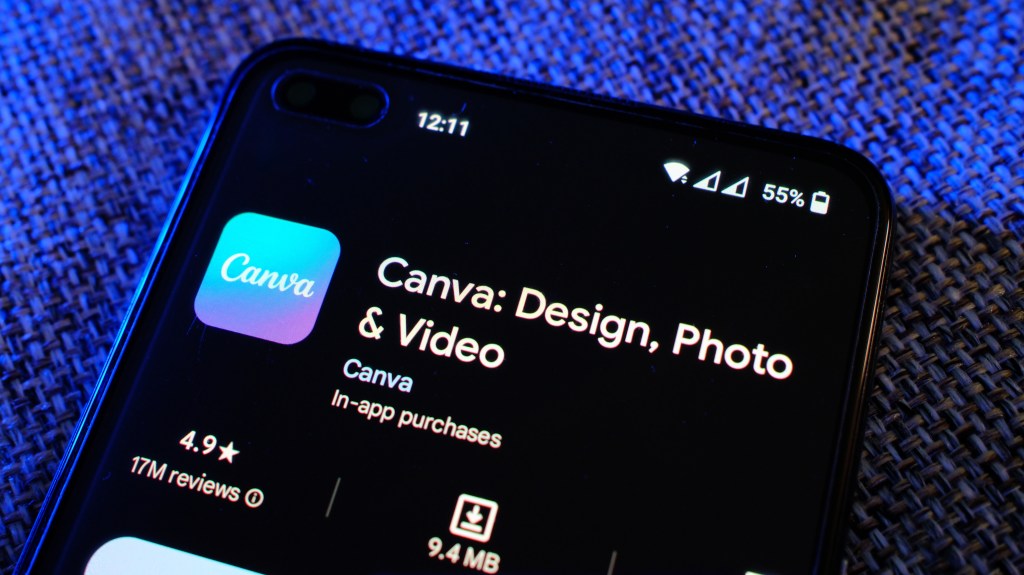
Apps like Canvas, Procreate, and Design Wizard are relatively simpler for the average person to use. Many photos, videos, and other media can be manipulated by these apps.
However, the increase in demand for high quality graphic design is noticeably present. In fact, the need for advanced graphic designers is more important than previously thought because of the access for everyone to use programs and apps that can manipulate and create designs.
Adobe Fresco, Adobe XD, and Adobe Premiere Pro were all created as additions to the Adobe suite products to add more advanced programing for graphic designers to use.
Adobe Fresco was created in 2018 and then launched in late 2019. Where Adobe XD was created in 2016. Adobe Premiere Pro was created in 2003. One of the newest programs offered by Adobe.
The demand for understanding how to use these programs is also increasing as employers include the understanding of each. It’s necessary for graphic designers to understand how to use these programs and what each does.
What does each Adobe product do?
- Photoshop Image editing and design.
- Premiere Pro Video editing and production.
- Illustrator Vector graphics and illustration.
- Adobe Express All-in-one design, video, photo, and PDF app.
- Lightroom Photo editing and organization.
- Adobe Stock High-quality licensable assets.
- Adobe Firefly AI-powered content creation. (Via Adobe)
One major change that has come over the years is that now most products from technological companies, that offer programs for computers, now have ongoing updates with ongoing costs. In the past the programs were purchased on a CD. They weren’t updated except in the minor ways. They weren’t accessible on very many devices either, unless the user paid for extra licenses.
Now, Adobe Suites and various other programs, such as Microsoft Office, Internet Security Programs, and even the Operating Systems that computers use; are digital with ongoing subscriptions to the companies’ websites for updates and changes. There is never any ownership to the programs used like before.
In conclusion, the challenges that come with these adaptive and ongoing needs to educate and reeducate oneself; also come with great rewards. Graphic design as a field has advanced greatly, and with it, the changes to technology and the education required to use the technology through continuous advancements is complicated, but necessary. The changes to the way that graphic designers work have allowed for more creativity and more individualism in their designs.
What does that mean?
Well, I guess that means that it’s worth it.
~~~~~~~~~~~~~~~~~~~~~~~~~~~~~~~~~~~~~~~~~~~~~
The Scoop Digital Newspaper
contact@thescoopdigitalnewspaper.blog


Leave a comment